One wipe at a time. Hundreds saved every year.
Sell pack for The Wipe Mate — a small plastic device that stops multi-wipe pulls, cuts wipe use by at least one third, saves parents money, and reduces plastic waste.
Contents
Ten slides. One idea each.
Problem, the device, savings, then character editions that sell a second unit — then IP, manufacture, and what happens next.
What The Wipe Mate is
Product definition, job-to-be-done, who it is for
The wasted baby wipes problem
Why packs force parents to pull more than they need
Damage to the environment
Plastic fibres, landfill, drains, national scale
The solution & how it works
The 3D render, one-wipe release, ≥⅓ saving
Savings over time and money
20 wipes a day, packs, pounds, and what comes back
Why this sells
Money, planet, giftability, retail angles
Character editions
Girl, boy, dinosaur, glow-in-the-dark — a reason to buy again
Patent & trademark
What to protect, when, and why both matter
3D mock-up → China manufacture
Prototype path, RFQ, tooling, compliance
What needs to happen next
Ordered action list from idea to pilot run
01
What The Wipe Mate is
A small plastic accessory for baby wipe packs that releases one wipe at a time — so parents stop wasting thousands of wipes over a child’s wipe years.
- Category: Baby-care accessory / household plastic device — not a wipe brand, not a subscription.
- Core claim: When used correctly, it saves at least one third of all baby wipes that would otherwise be pulled and used or discarded.
- Form: Small, durable plastic part designed for real nappy-change chaos — one-handed friendly, no batteries, no app, no refill system.
- User: Parents and carers of babies and toddlers who use disposable (or plastic-fibre) wipe packs daily.
- Occasion: Home changing table, travel bag, nursery, grandparents’ house — anywhere a wipe pack lives.
What it is not
Clear boundaries help the pitch
- Not a new wipe formula or “eco wipe” sheet
- Not a smart / connected product
- Not dependent on one wipe brand (aim: works across common packs)
- Not medical equipment — a consumer convenience + waste-reduction tool
02
The wasted baby wipes problem
Parents rarely intend to waste wipes. The pack gives a handful when they ask for one — and that cost adds up over the wipe years.
The next wipe hitch-hikes. Parents either use the extras “because they’re out” or throw partially used sheets away. Both burn pack volume fast.
- Common at night changes
- Worse with cheap thin packs
- Worse when rushing / one-handed
Wipe spend is a drip: a pound here, a pack there. Waste is invisible week to week, huge across nappy years and second children.
- ~£1 per pack (our model)
- Packs empty “too soon”
- No product today fixes the feed
Lids and flip-tops stop drying out. They do not stop multi-sheet release. The industry optimised for convenience grab — not portion control.
- Pop-top ≠ single dispense
- Travel packs same issue
- Gap Wipe Mate fills
03
Damage to the environment
Every wasted wipe is plastic that did not need to be made, shipped, or buried. Cutting use by a third is fewer sheets, fewer packs, and less material in the waste stream.
Plastic fibres, not paper
Many baby wipes use polyester or other synthetics. They do not break down like tissue. In landfill they persist for decades; as litter they fragment into microplastics.
Drains and “flushable” confusion
Even when labelled carefully, wipes still get flushed. Water companies spend heavily clearing wipe-related blockages and fatbergs. Less wipe volume in the home means less chance of misuse.
Embodied impact of each sheet
Every wipe carries water, fibre, lotion, packaging film, and transport. Saving ~7,300 sheets per typical child avoids that chain — not just the bin bag at the end.
Scale story
One child → national impact
If a typical child avoids ~7,300 wipes with Wipe Mate, then even modest UK adoption adds up fast:
- 10,000 devices used well ≈ 73 million wipes not bought
- 100,000 devices ≈ 730 million wipes
- Plus avoided plastic tubs / soft packs and shipping
04
The solution & how it works
Control the release. One wipe leaves the pack. The next stays put. That single change is what unlocks the one-third saving.
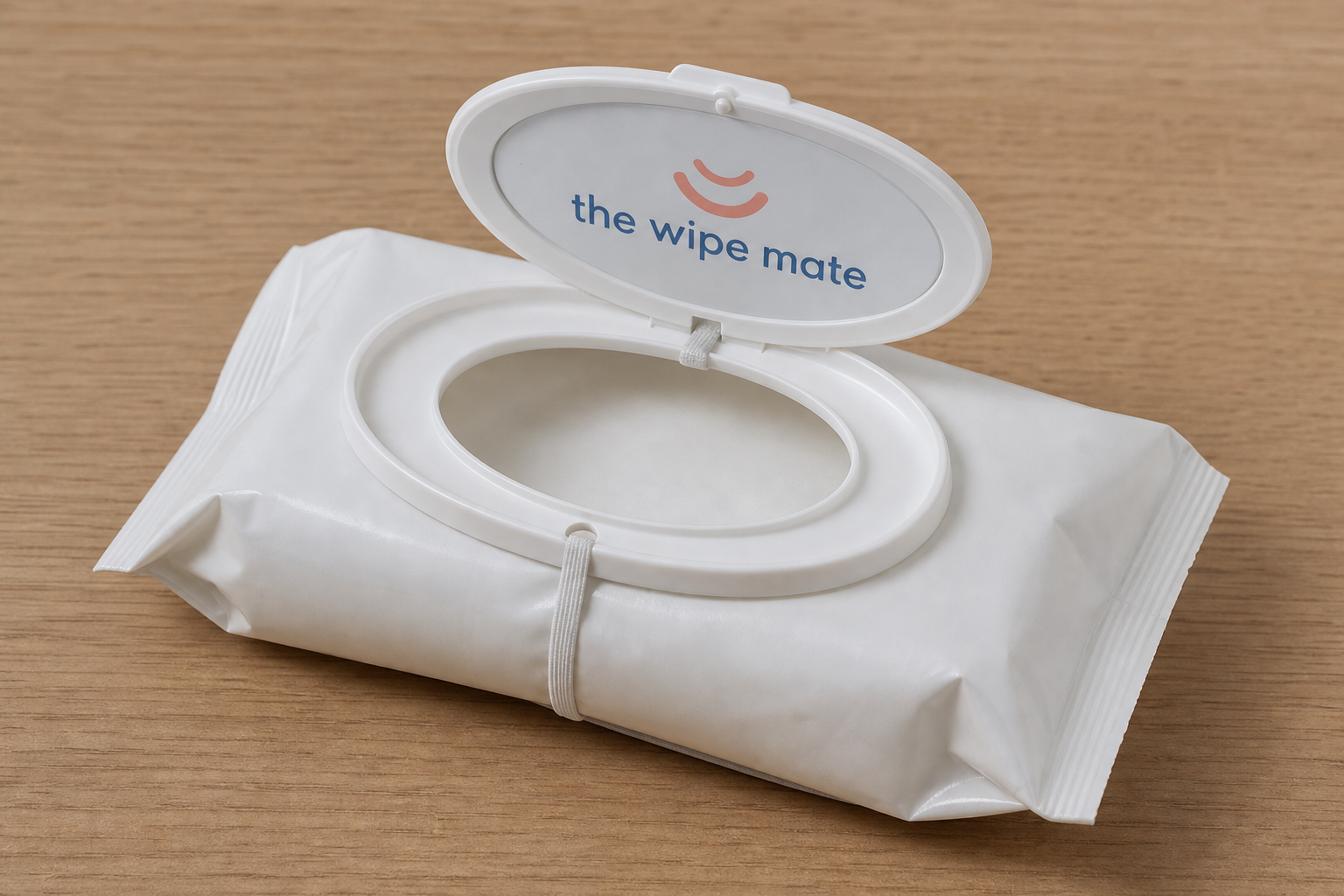
Working concept
Lid plus elastic under the pack
- A normal soft-pack wipe lid, with the Wipe Mate face on it
- Elastic runs under the pack, not across the opening
- That under-pack tension is what releases one wipe per pull
- A second wipe needs a second, intentional pull
- No batteries, no app, no refill system
05
Savings over time and money
Minimum 20 wipes a day, ~64 per pack, £1 a pack. Saving is at least a third of that lifetime spend — wipes not bought, and the pounds that come back.
| Wipe years | Wipes used | Packs | Spend | Wipes saved | Money saved |
|---|---|---|---|---|---|
| 2.5 years | 18,250 | 285 | £285 | ~6,080 | ~£95 |
| 3.0 yearsPrimary planning case | 21,900 | 342 | £342 | ~7,300 | ~£114 |
| 3.5 years | 25,550 | 399 | £399 | ~8,520 | ~£133 |
Typical child over 3 years. Two children roughly doubles it. The number for the pack once testing confirms it.
Sheets per child that never need making, shipping, or landfill. The same maths, counted in plastic instead of pounds.
At ~£114 saved, the device pays for itself several times over — often in the first months of daily use.
20/day × 365 × 3 years = 21,900 wipes. ÷ 64 ≈ 342 packs ≈ £342. Saving = one third. Illustrative until pack prices and the real saving % are tested. A second child roughly doubles the household total.
06
Why this sells
Money back, less waste, and a product you can put in a hand or on a video — rare for a small plastic accessory in baby care.
Visible ROI against £1 packs. Easy maths on pack: “Could save ~£114 of wipes on a typical child.”
- Supermarket value shoppers
- Multi-child families
- Budget-conscious new parents
Parents already feel wipe waste. Wipe Mate fixes the pack, not their values. Stronger than vague “eco” branding alone.
- Plastic / landfill story
- Less bin volume at home
- Shareable “why didn’t this exist?”
Compact, brandable, demoable on video. Fits registries, NCT fairs, Amazon, pharmacy, and grocery baby aisle.
- New-baby gift default
- Impulse + end-cap potential
- DTC launch then retail
07
Character editions
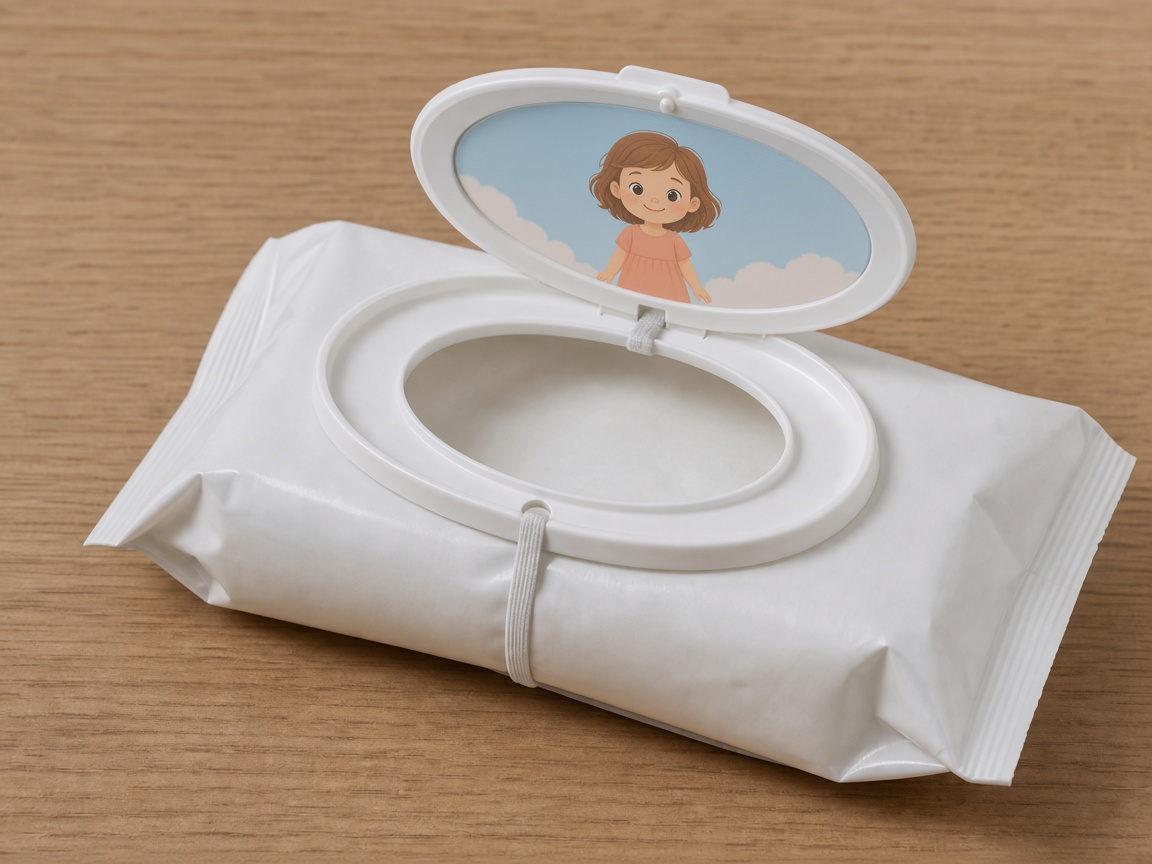
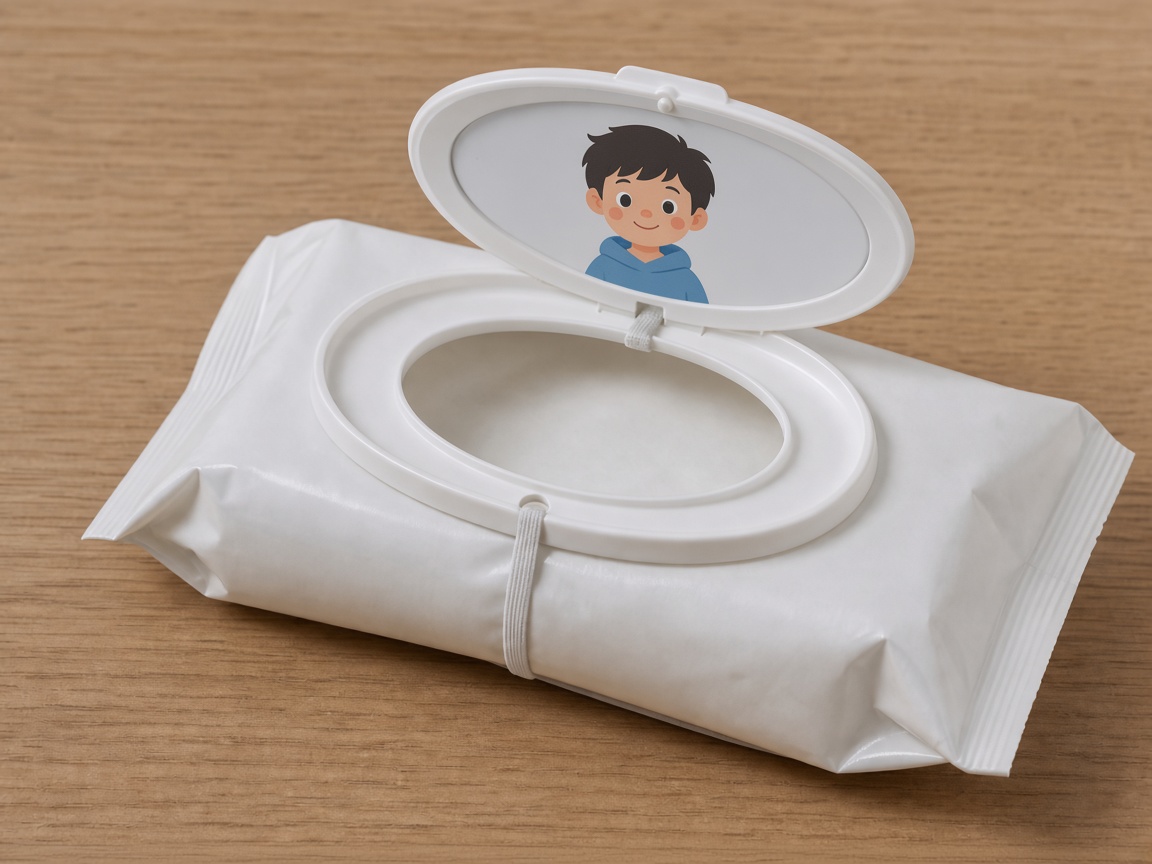
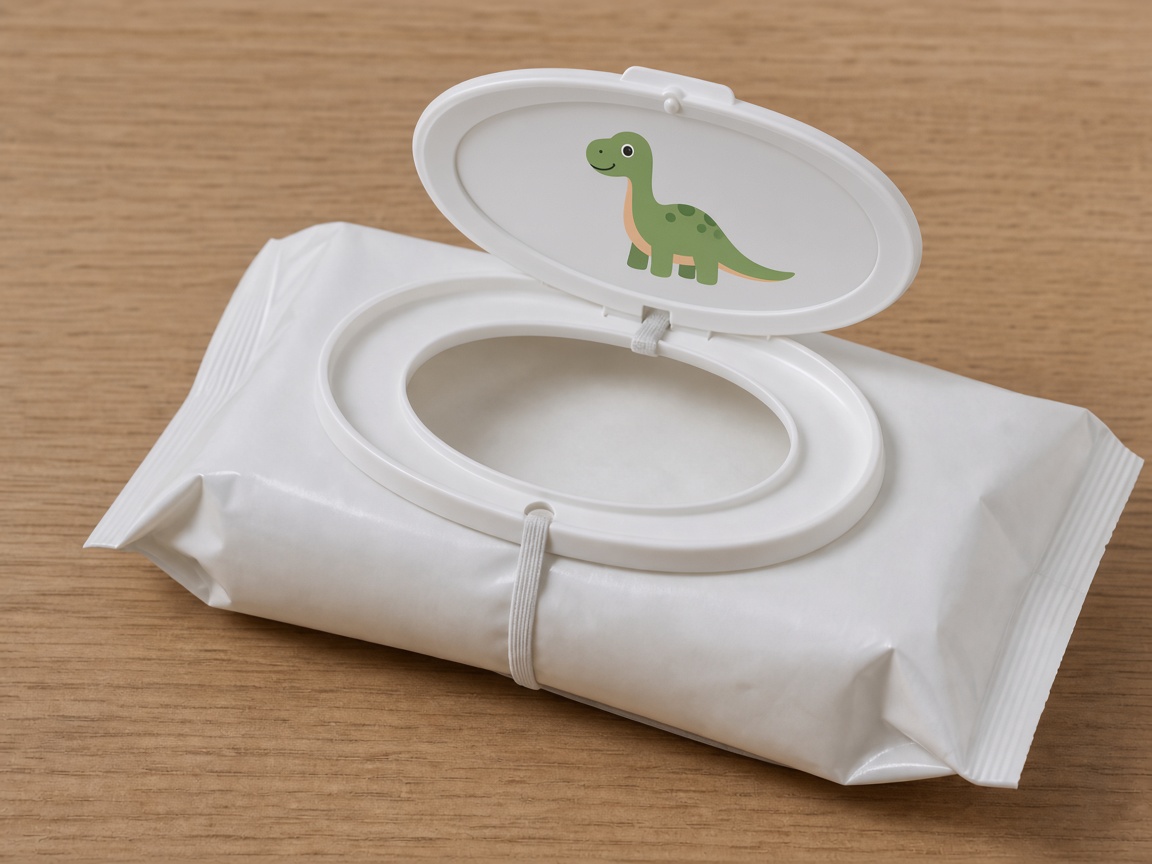
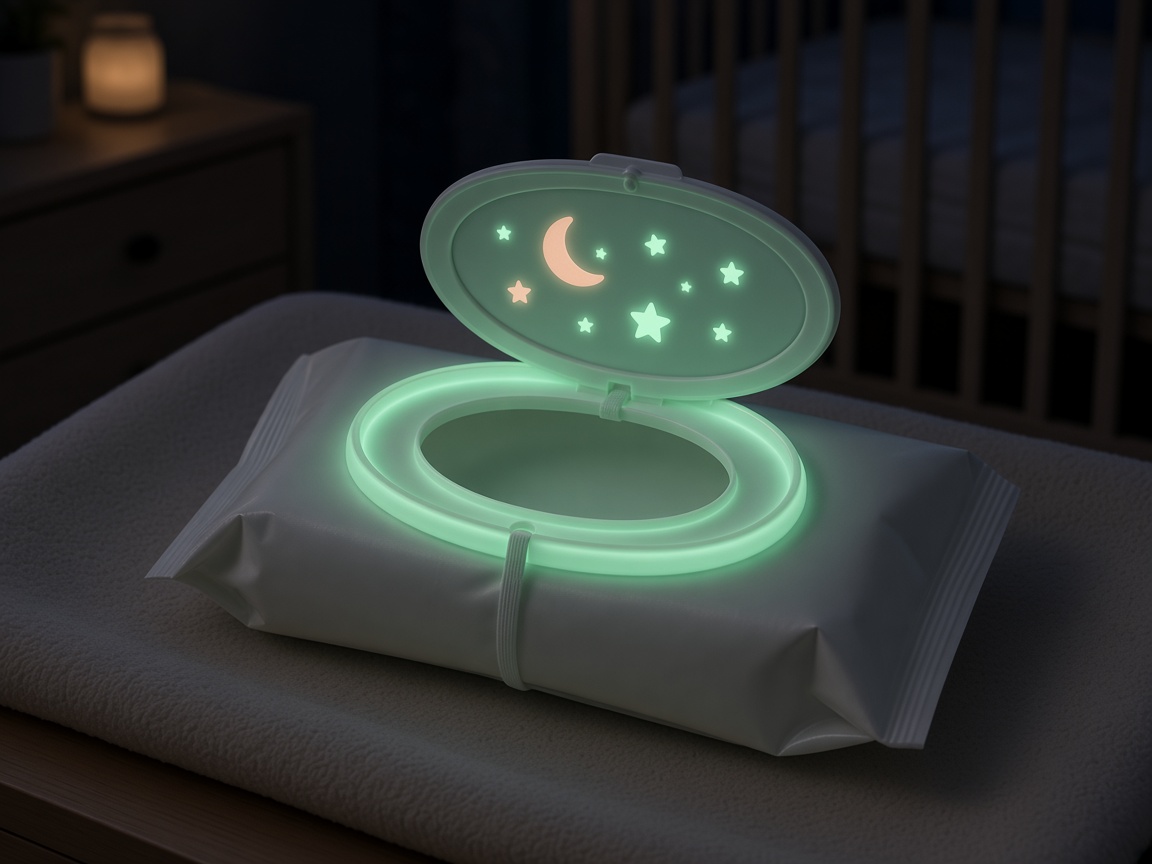
Same device, more reasons to buy. A girl lid, a boy lid, a dinosaur, and a glow-in-the-dark night version turn one product into a range — a gift, a second unit, a higher price.
08
Patent & trademark
Protect the mechanism with a patent path. Protect the name and logo with trade marks. Do both before you go loud or send drawings abroad.
Patent — the mechanism
Protect how one wipe is released
- Do a prior-art / FTO search (UK + key markets) before spending on tooling
- Speak to a patent attorney with sketches + any prototype photos (under confidentiality)
- File a UK patent application if the feed looks novel and inventive
- Consider PCT within 12 months if US/EU/China manufacture or sales are planned
- Design right / registered design can cover the look of the part separately
- Stay quiet publicly on detailed mechanism until filed — teasers OK, full how-to not
Trademark — the name & logo
Own “The Wipe Mate” before someone else does
- Search UK IPO for “Wipe Mate”, “The Wipe Mate”, and similar baby-care marks
- File word mark + device mark (logo with baby face)
- Likely class: Class 21 (household / utensils); review Class 10 / 28 with attorney
- EU / US filings if export or Amazon marketplace expansion is on the roadmap
- Also grab: domain(s), Instagram, TikTok, Amazon brand registry later
- Cost vs risk: filing is cheap compared with a forced rebrand after traction
09
3D mock-up → China manufacture
Print until it works in a real nappy change. Only then pay for moulds. China is for scale — not for guessing.
Commission a product designer / mechanical engineer. Model pack interface + feed geometry. Export STL for print.
FDM for rough fit; resin for finer edges. Expect v1–v3. Test on 3–5 common wipe brands each round.
5–10 households. Count multi-pulls before/after. Film the “one wipe” moment for factories and buyers.
NDA + drawings + printed sample to 2–3 factories. Ask DFM, unit cost at 1k/5k/20k, tooling, lead time.
Factory brief must include
- Polymer grade suitable for consumer baby-adjacent use (specify requirements with advisor)
- Colourways matching brand (sky / peach accents optional)
- Surface finish, sharp-edge limits, drop expectations
- Packaging: retail box vs polybag + header card
- First-article samples before full tool steel sign-off
UK side before sale
- UKCA / product safety review for category
- REACH / chemical compliance on materials
- Labelling: age guidance, warnings, disposal
- Insurance for product liability once selling
- Cost model: EXW unit + freight + duty + packaging + returns
10
What needs to happen next
IP and brand protection first, a working sample in a parent’s hand second, then a costed path to a pilot run.
Patent search + attorney consult
Share sketches under confidentiality. Decide file / don’t file. Budget for UK application if green-lit.
Trademark The Wipe Mate + logo
UK IPO search and file word + device marks. Parallel: register domains and social handles.
CAD + 3D-printed mock-up
Iterate until one-wipe release is reliable on common packs. Photograph and film it.
Parent smoke-test (5–10 homes)
Validate ≥⅓ directional saving and usability. Capture quotes for the next version of this pack.
China RFQ under NDA
2–3 factories. Samples, tooling quotes, MOQs. Pick a partner only after first articles pass.
Pilot run + sell path
Small batch → Amazon / site / baby shows → refine packaging → approach retail with proof and unit economics.